Rolf's Bar & Restaurant
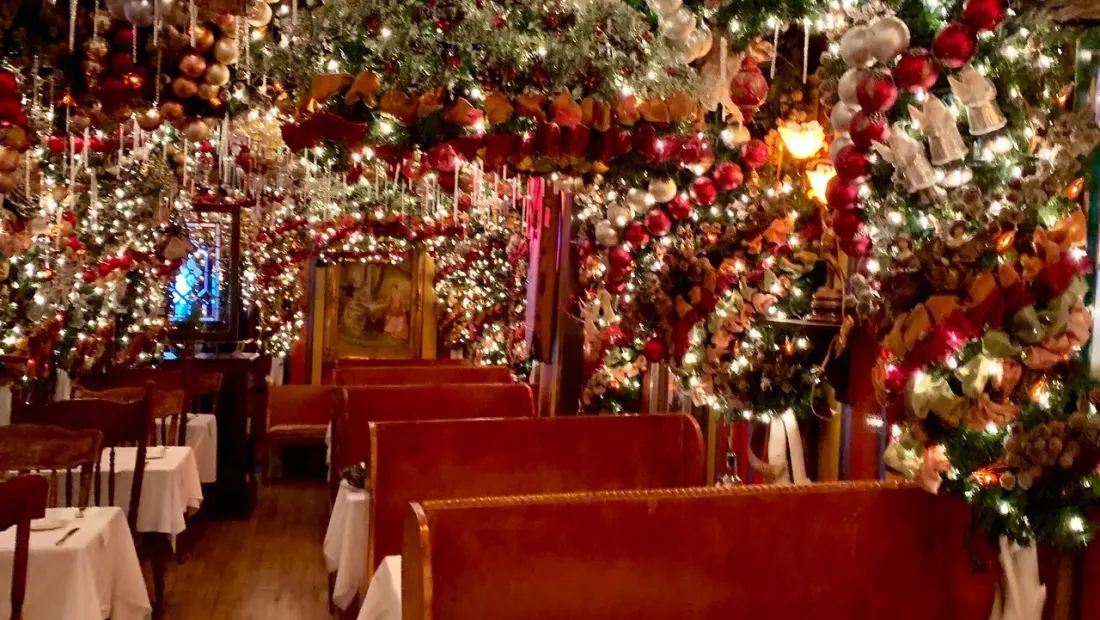
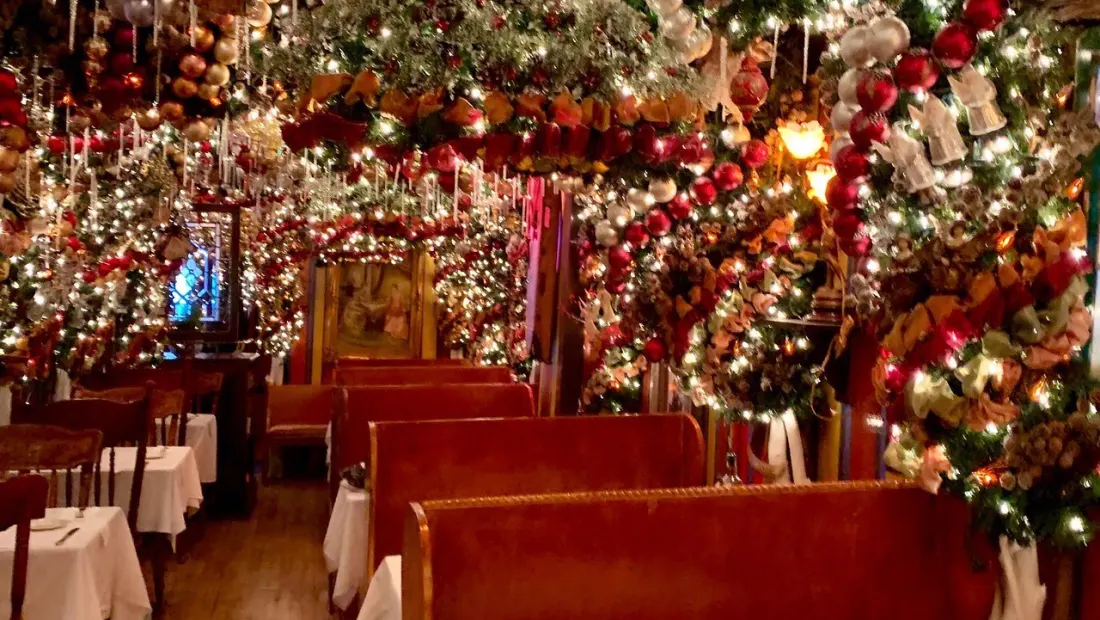
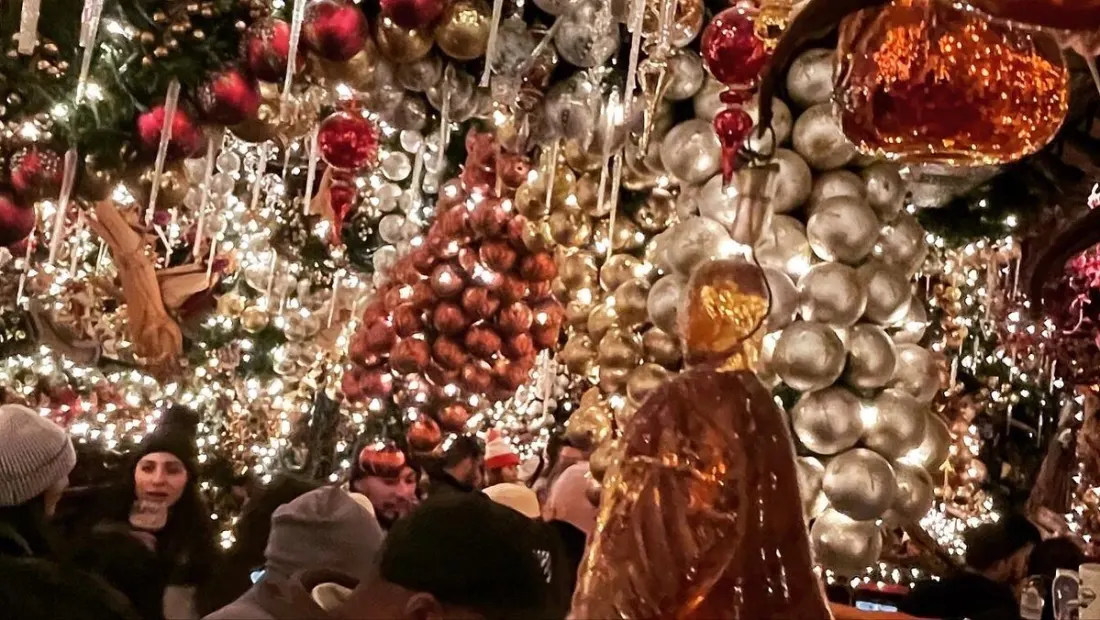
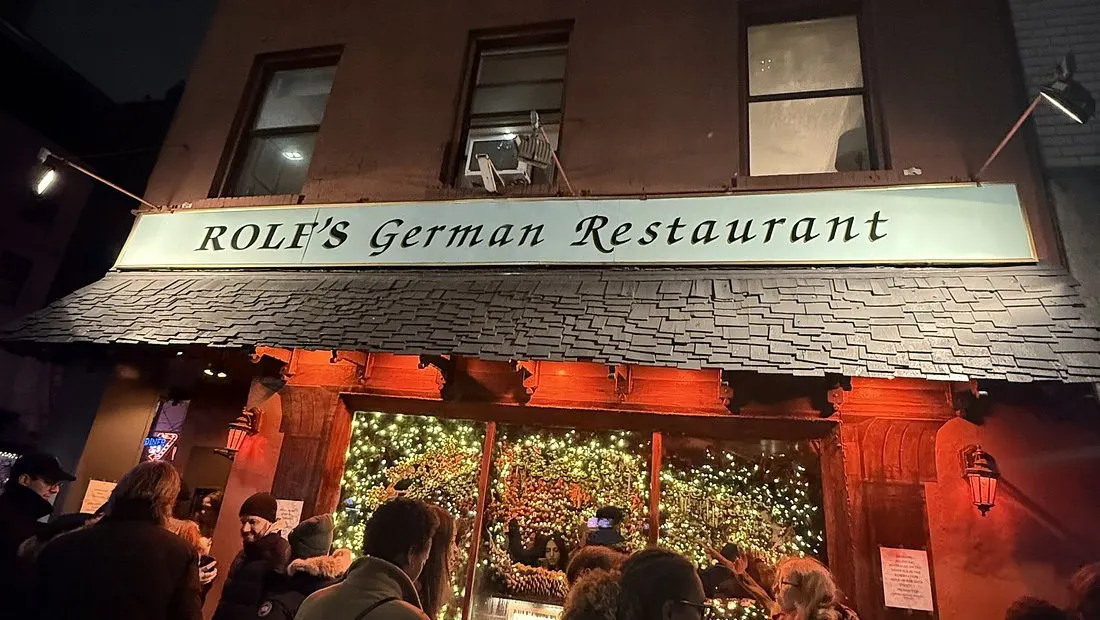
Rolf's Bar & Restaurant in New York occupies a curious corner of the city's dining landscape, defined less by its German and European culinary billing and more by a visual identity that has, for years, sparked strong reactions. The Gramercy-adjacent address is known for a dense, year-round display of holiday ornamentation that transforms the interior into a maximalist spectacle. This decorative approach has become the venue's most recognizable trait, drawing a mix of the curious, the seasonal enthusiast, and those simply looking for a conversation-starting backdrop. The kitchen's stated focus on German cuisine suggests schnitzels, sausages, and hearty plates, but the experience reported by patrons often pivots sharply on factors beyond the menu.
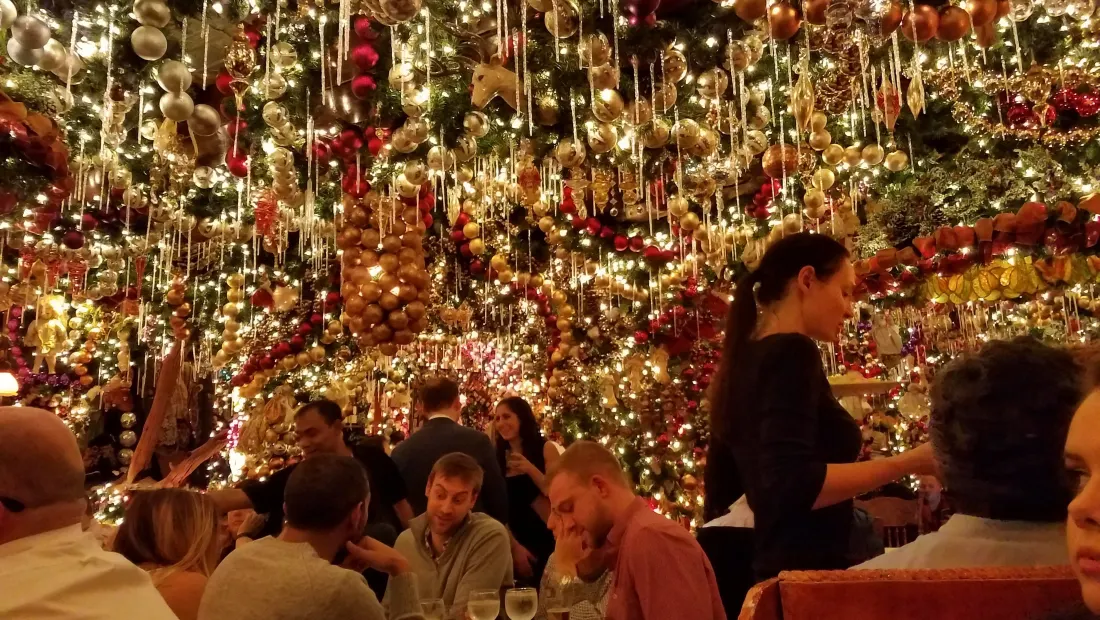
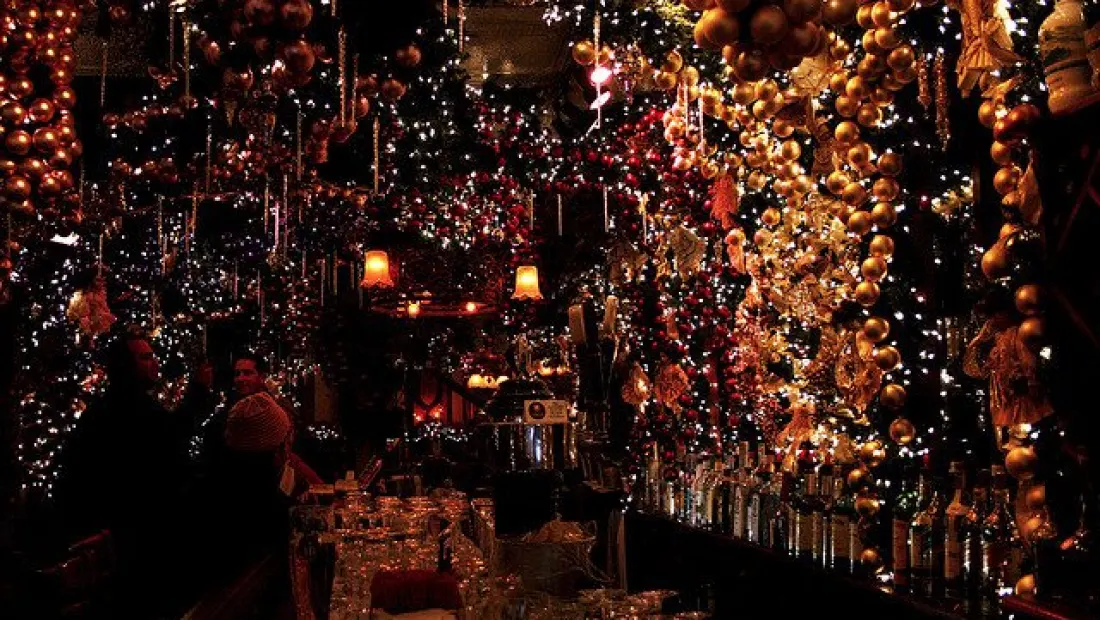
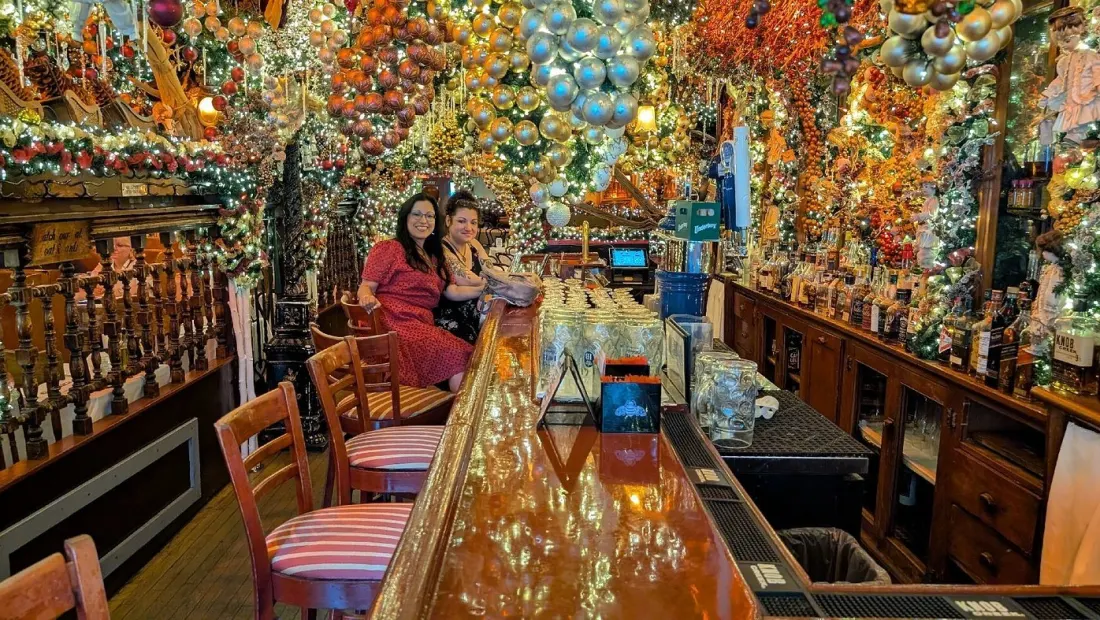
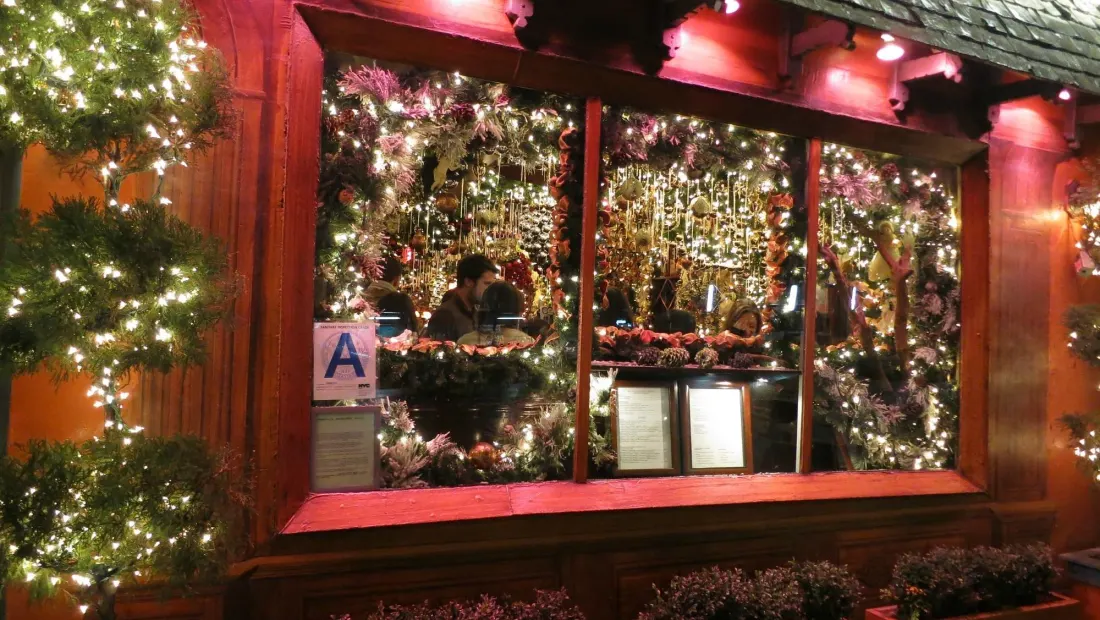
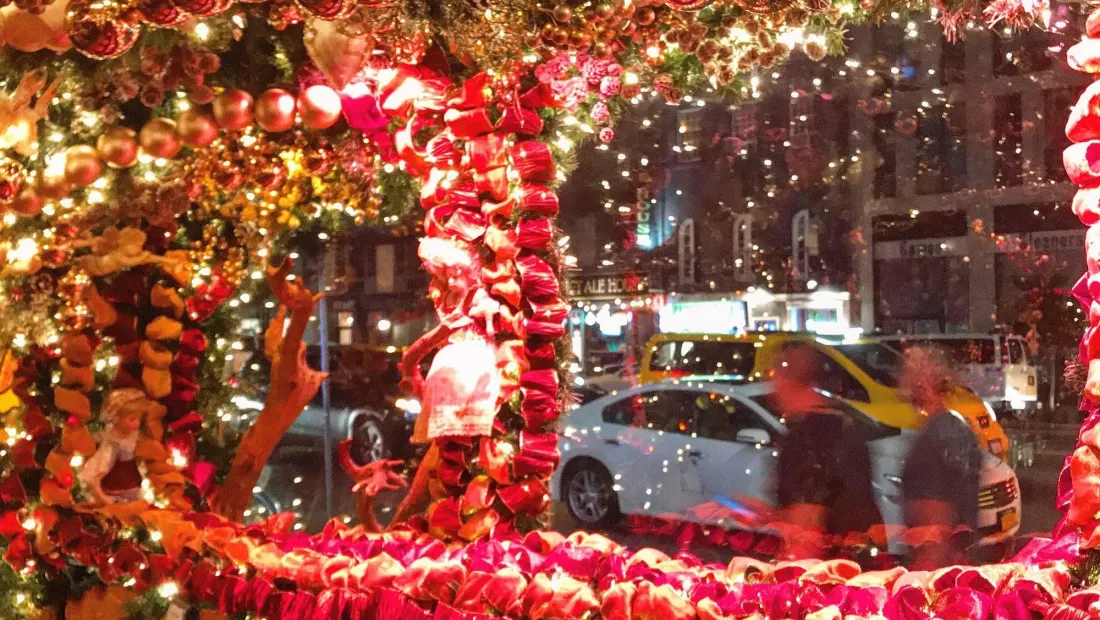
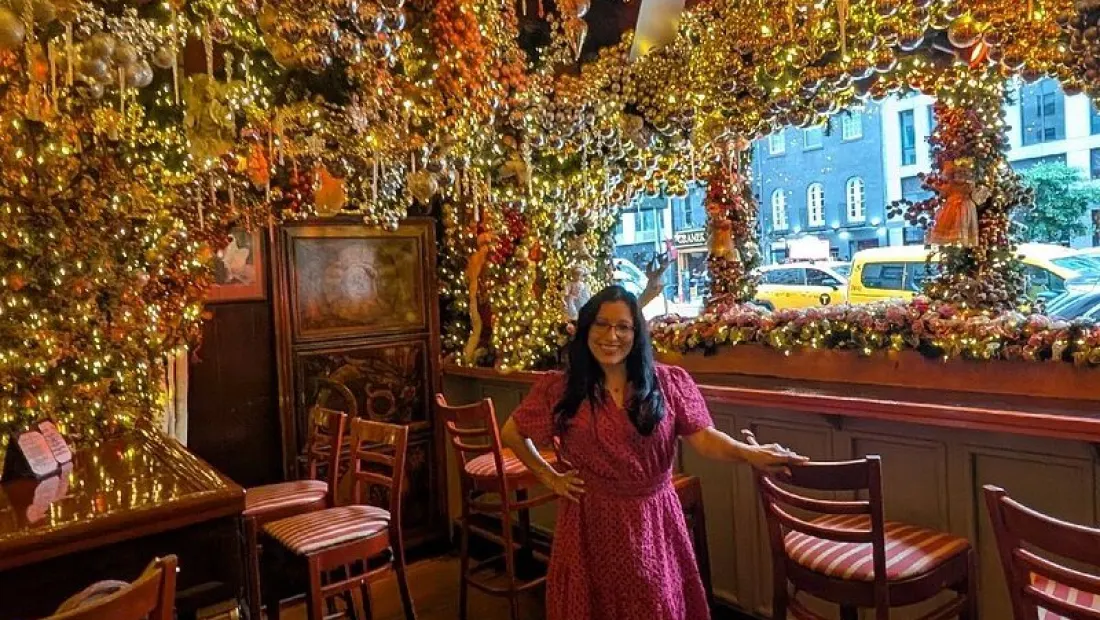
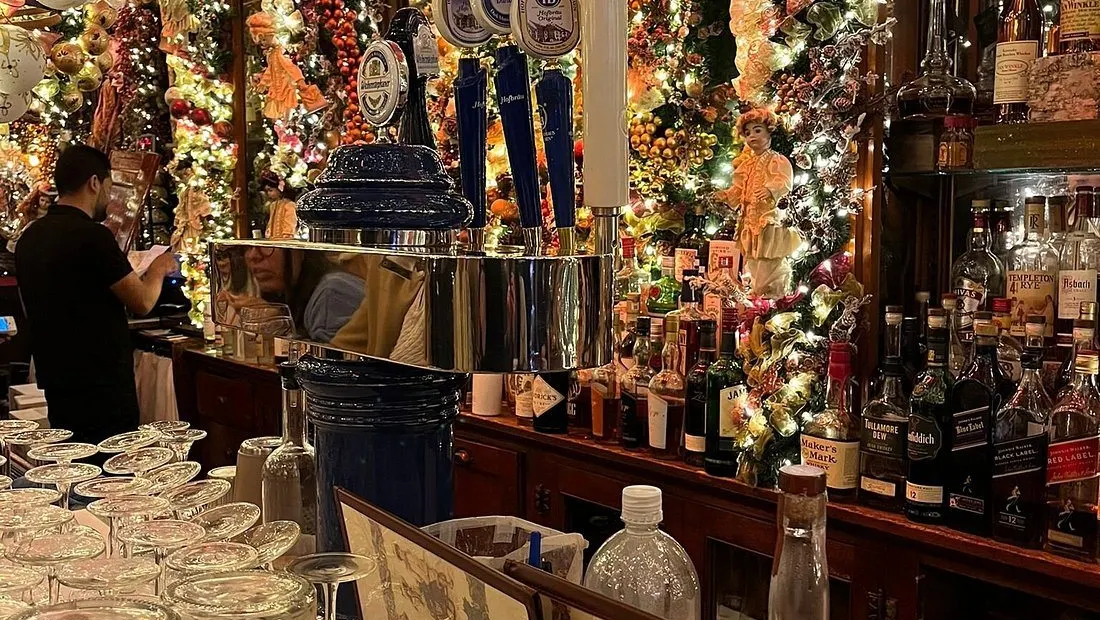
The atmosphere inside is deliberately theatrical, with garlands, baubles, and twinkling lights suspended from virtually every surface. This immersive styling creates a distinctive, if polarizing, sense of place. For some, the sheer density of ornamentation is a draw in itself, a kind of wintry fever dream that persists long after the holidays have passed. For others, the physical reality of navigating such a heavily adorned, tightly packed room proves less enchanting. The seating arrangement, frequently described as close-quartered, means that a meal here is an inherently communal, shoulder-to-shoulder affair. The volume and the visual clutter can feel either festive or overwhelming, depending entirely on personal tolerance and the expectations set before arrival.
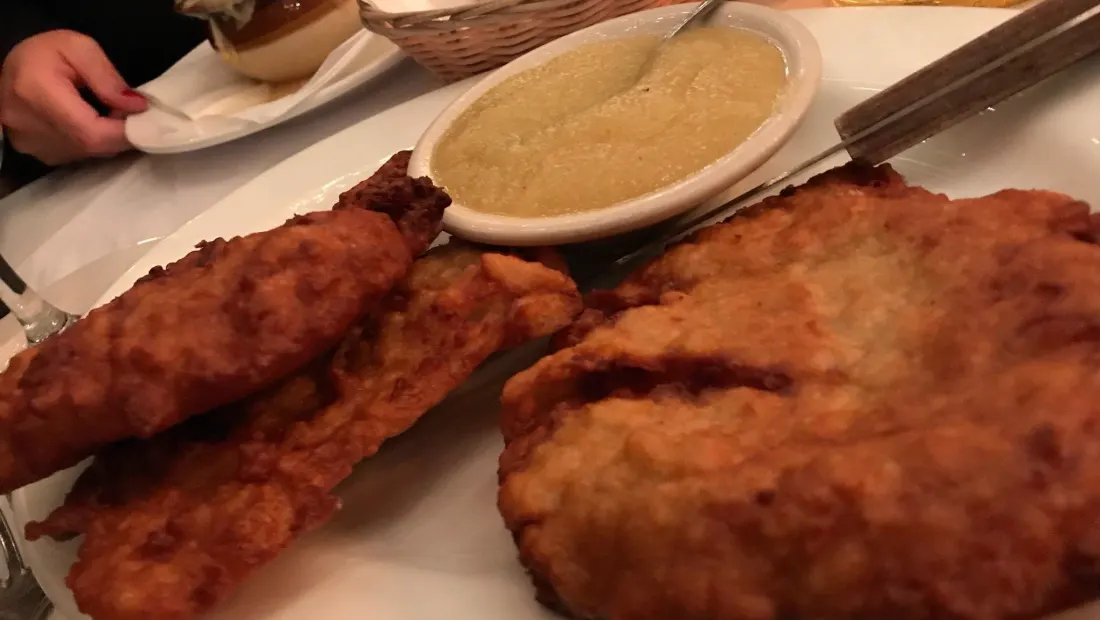
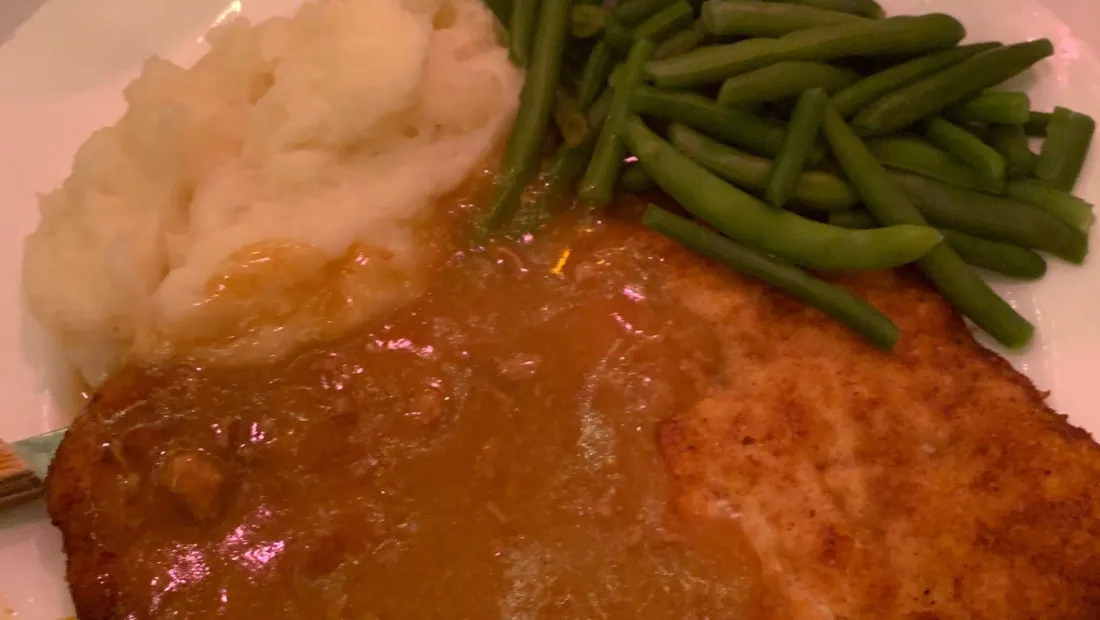
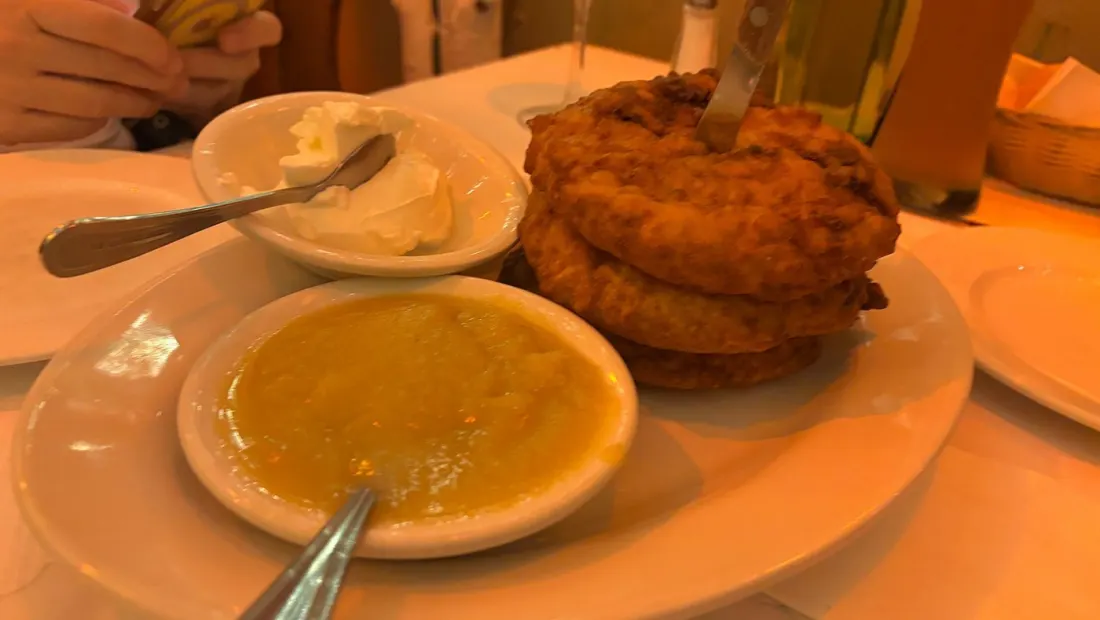
The menu leans into traditional German fare, a category that in New York ranges from old-world beer halls to modern rathskellers. At Rolf's, the food arrives in a setting that competes aggressively for attention. The kitchen's output has been characterized in sharply divergent terms by visitors, with some finding the dishes serviceable and others dismissing them as an afterthought to the d?cor. The pricing, positioned in a moderate to upper-moderate band, places the restaurant in a bracket where diners might reasonably expect a certain level of polish, both on the plate and in the glass. Reports of flat soft drinks and glassware that fell short of cleanliness standards suggest that the operational side can occasionally lag behind the visual ambition.
Service encounters appear to contribute significantly to the overall impression, and not always favorably. Guests have recounted welcomes that felt perfunctory, staff interactions that were brusque, and a general sense that the high-traffic, high-turnover nature of the room leaves little space for the kind of warm hospitality one might associate with a traditional German gasthaus. The bar program, while capable of producing elaborate and often pricey cocktails, has also been cited as a source of friction, particularly when waiting for a reserved table stretches into an indeterminate, standing-room-only interlude. These operational rhythms can make a visit feel less like a relaxed meal and more like a transaction conducted under festive duress.
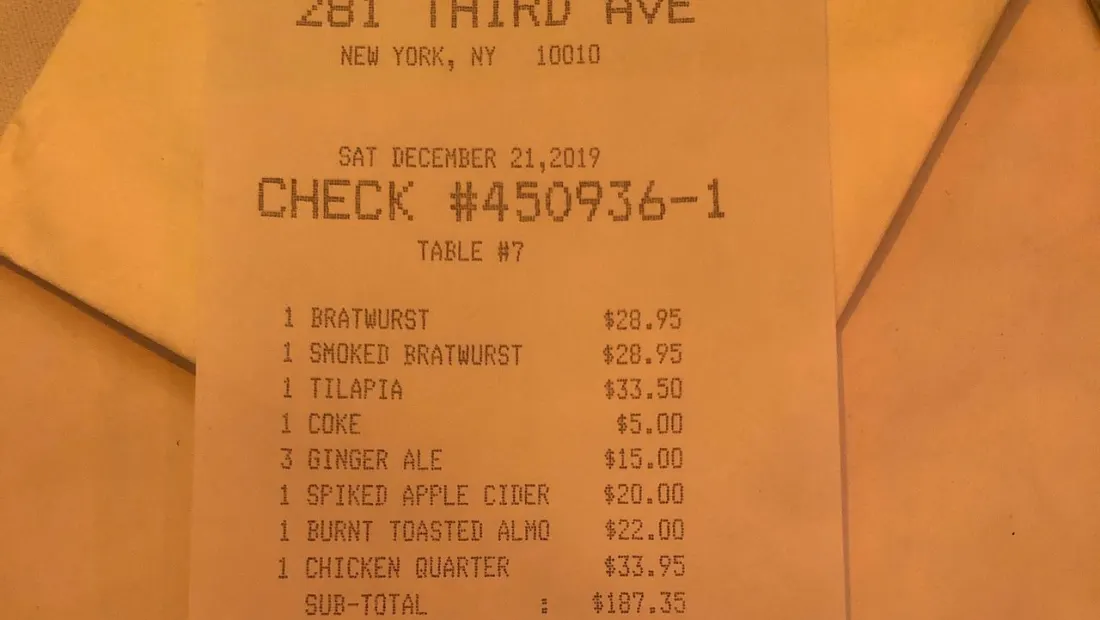
A recurring point of contention in guest accounts involves the gratuity policy. Multiple reports indicate that a 20 percent service charge is applied, with patrons feeling it was presented as a compulsory addition rather than a discretionary acknowledgment of service quality. This practice, when combined with premium drink pricing and a menu that some find unremarkable, has fueled a perception of the restaurant as a costly proposition where the primary commodity is the photo opportunity rather than the culinary or service experience. The sentiment that the decoration alone cannot compensate for fundamental shortcomings in comfort, food, and hospitality surfaces repeatedly in visitor feedback.
Rolf's Bar & Restaurant ultimately functions as a study in extremes, a place where a singular aesthetic choice has created a self-perpetuating cycle of visibility and visitation. The elaborate ornamentation guarantees a steady stream of first-time guests, yet the same elements that attract-the crowds, the tight seating, the sensory overload-are frequently the very things that define a disappointing experience. It is a venue that asks a simple question of its patrons: whether a visually extraordinary setting is enough to anchor an evening out, or whether the supporting pillars of food, drink, and service must carry equal weight. The answer, judging by the breadth of reactions, remains deeply personal and far from unanimous.




















Add Your Comment
Comments appear on the website after admin approval.