Rules Restaurant
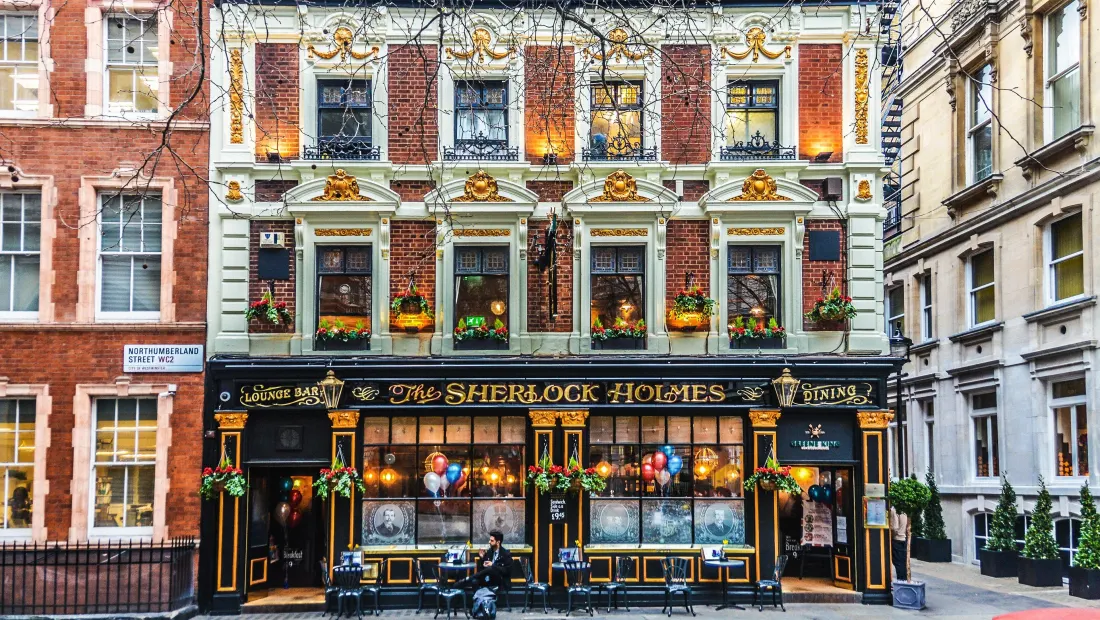
Rules in London occupies a particular place in the city's dining landscape, not simply as a long-running establishment but as a venue where the weight of history is present in every room. Founded by Thomas Rule in 1798, it is widely recognised as the oldest restaurant in London, and its Covent Garden setting places it at the heart of a district long associated with theatre, commerce, and public life. The restaurant specialises in traditional British food, with a clear emphasis on game cookery, oysters, pies, and puddings, and it draws on produce from its own High Pennines estate, including game birds, roe deer, and Belted Galloway beef. The identity is unambiguously formal, shaped as much by the interior as by the menu.
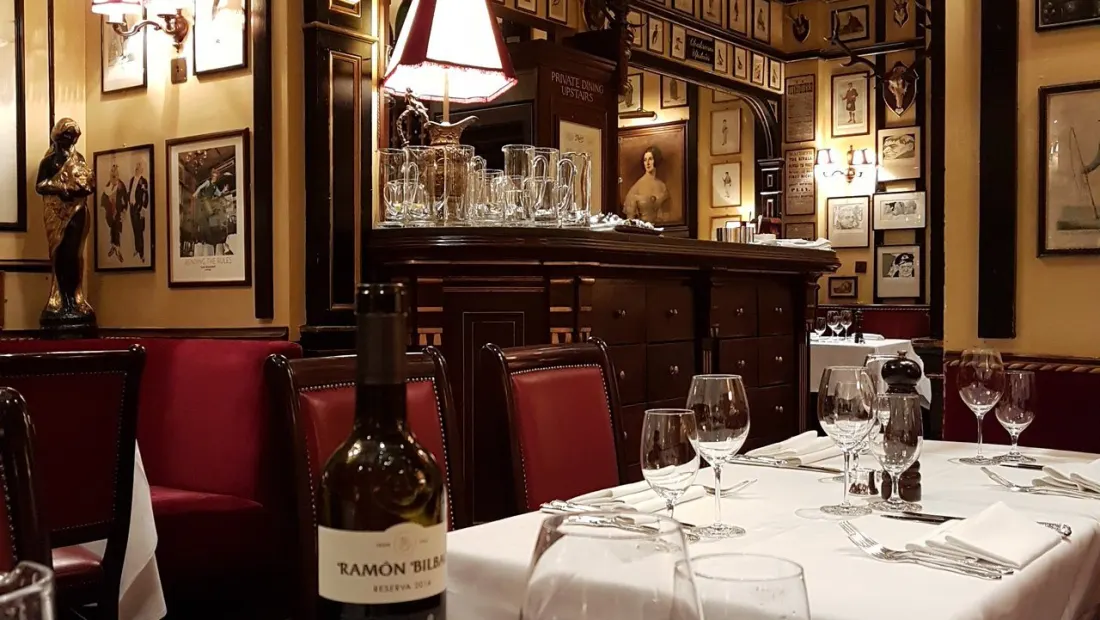
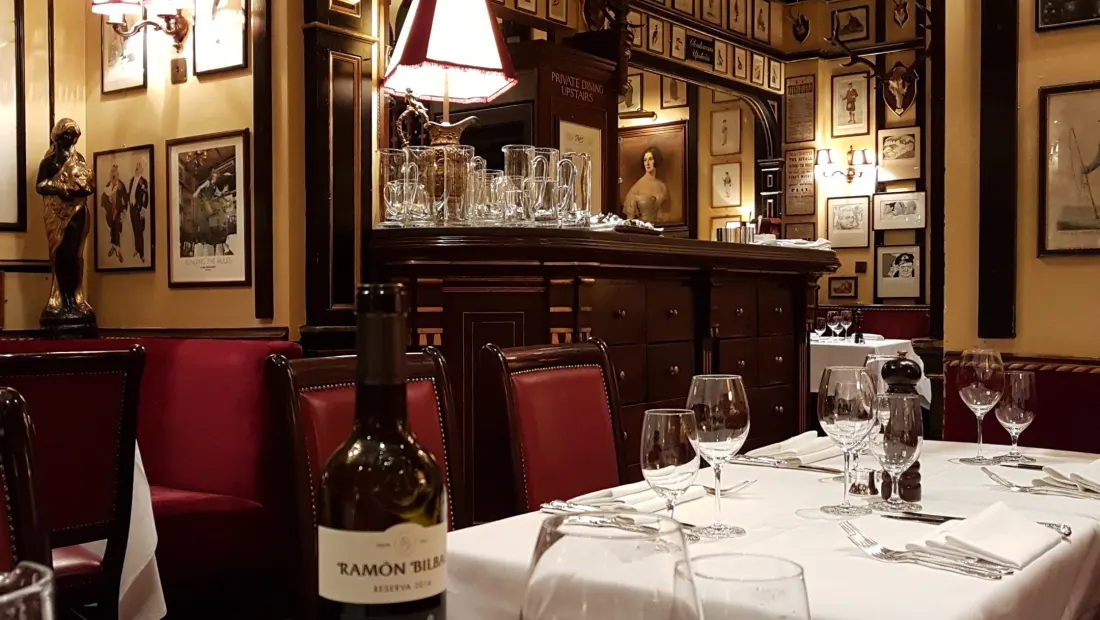
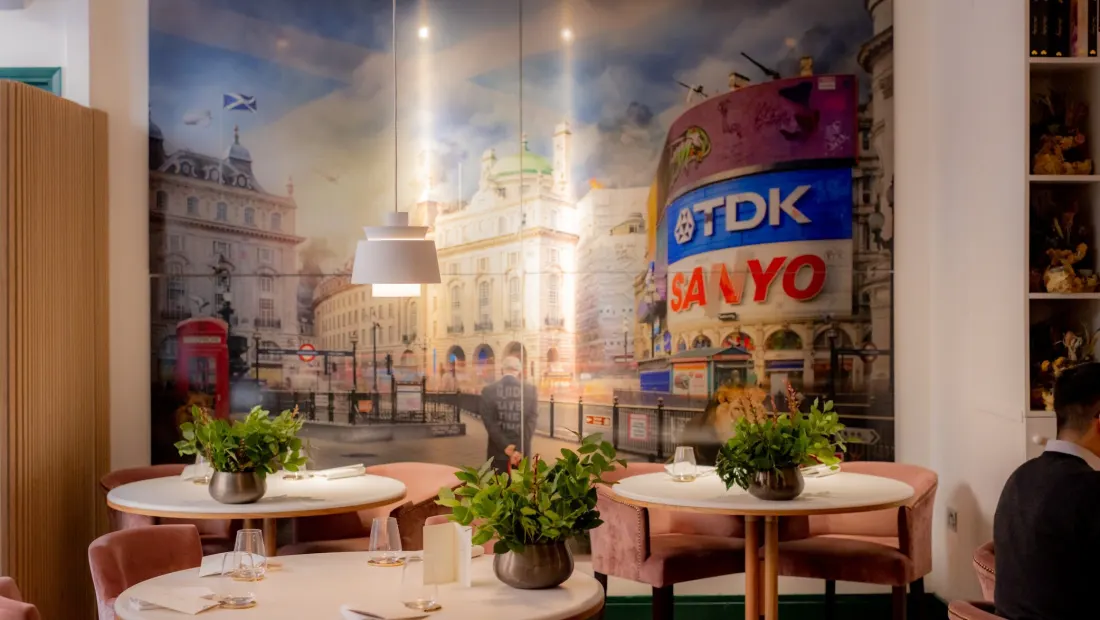
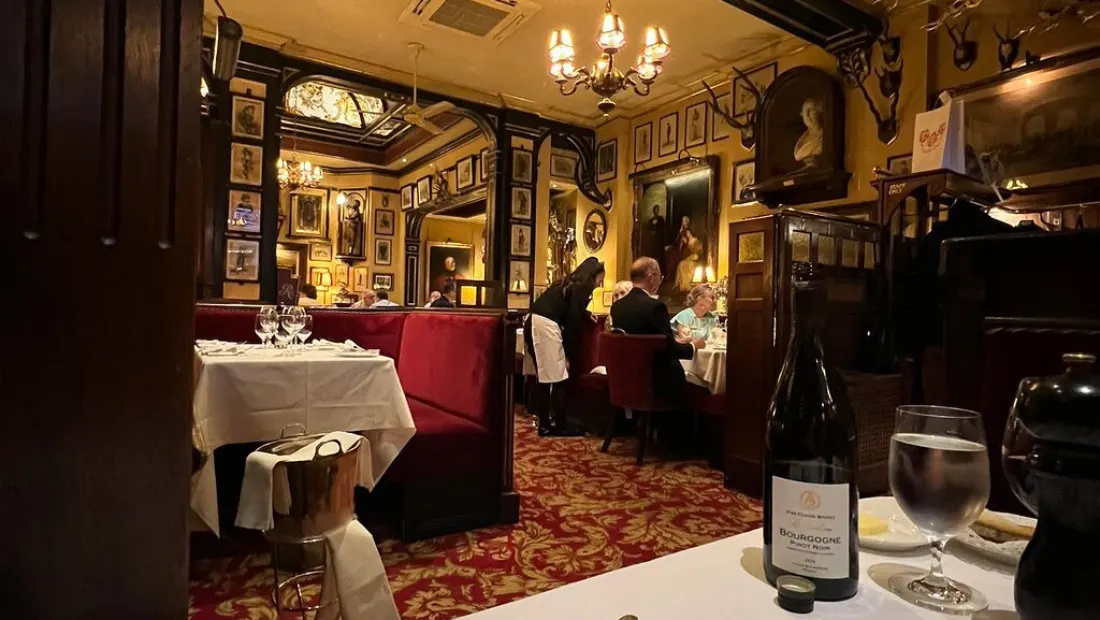
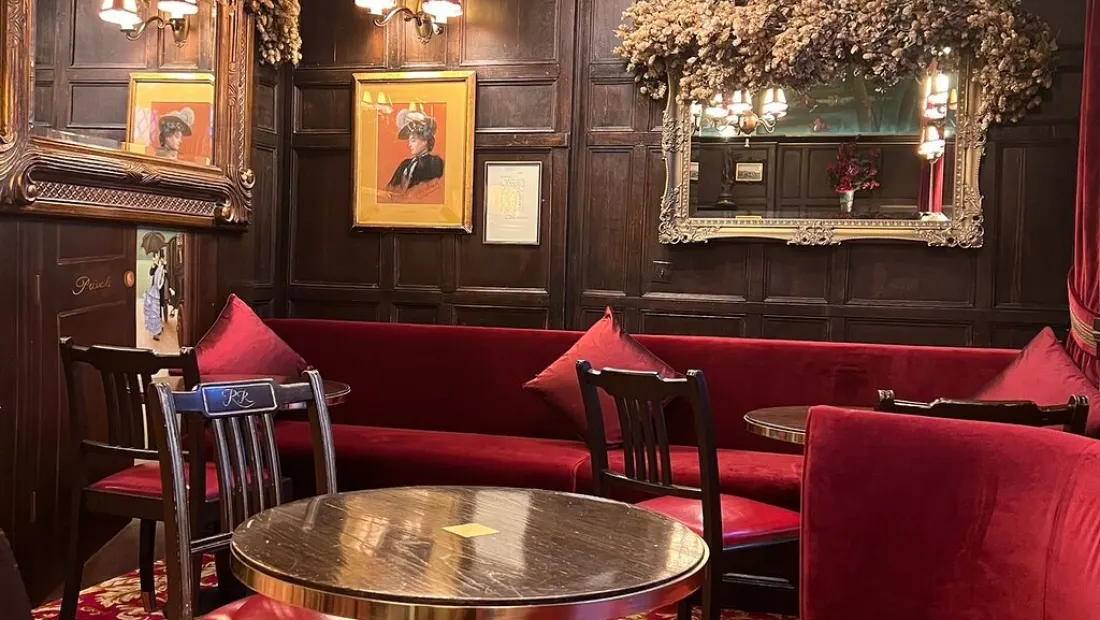
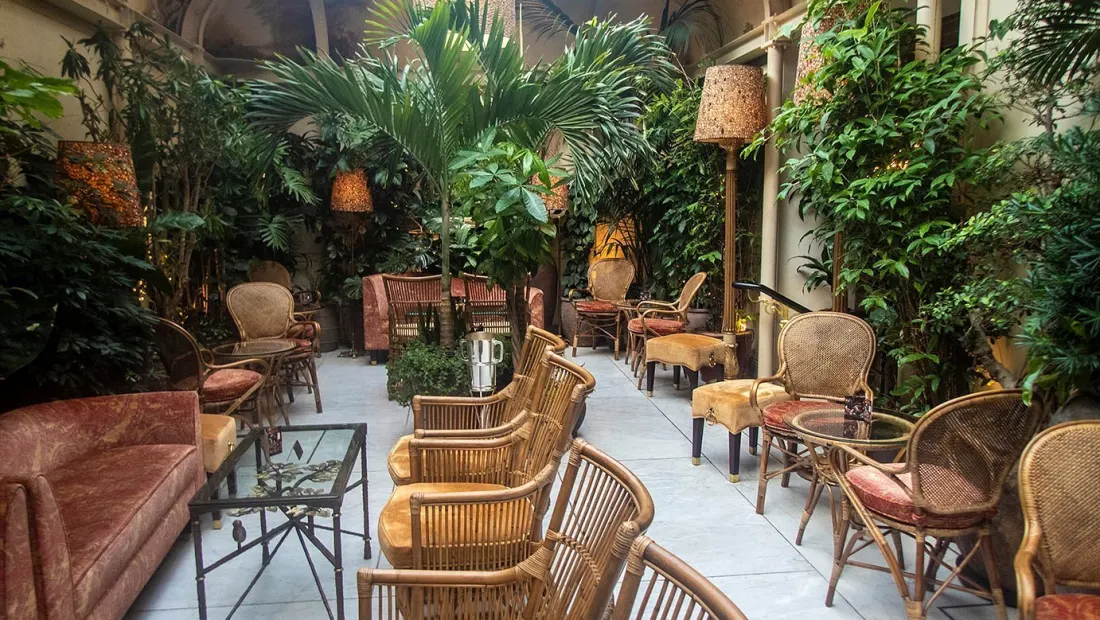
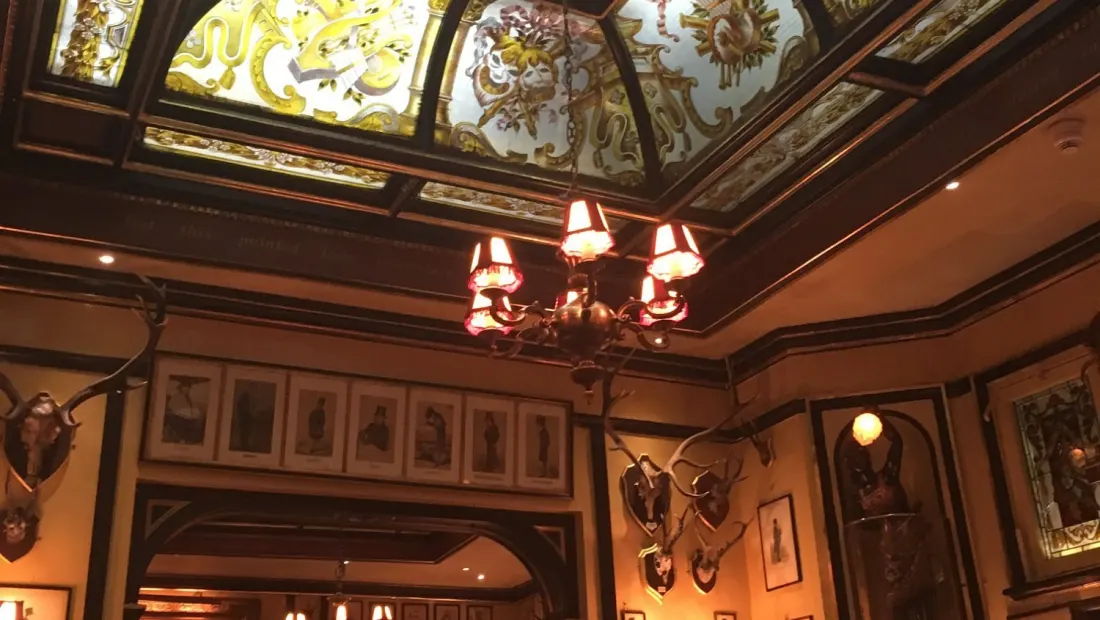
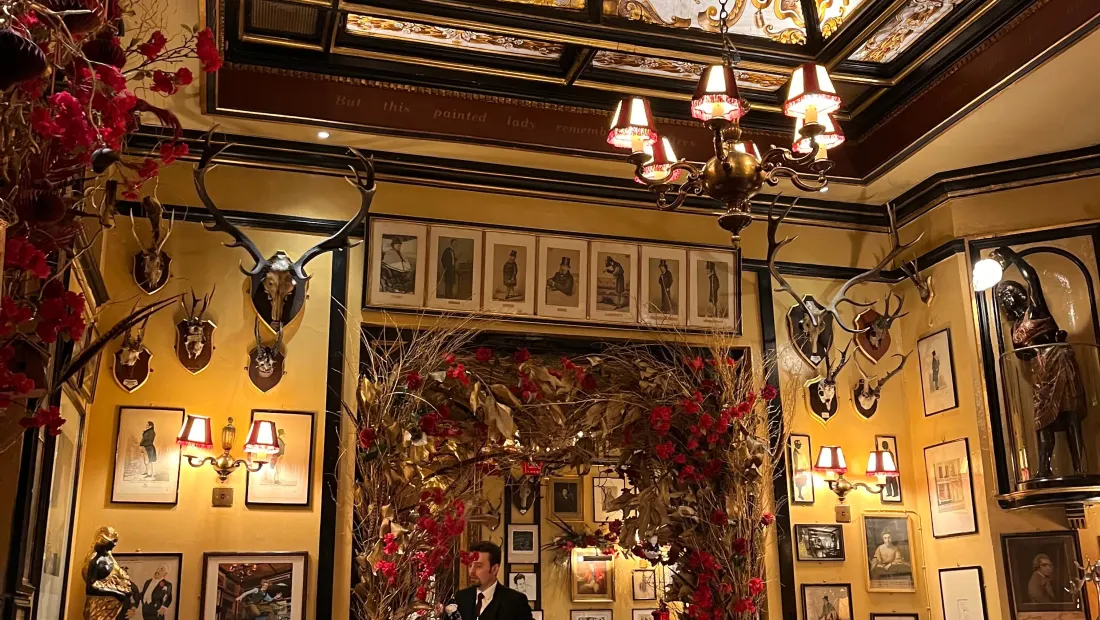
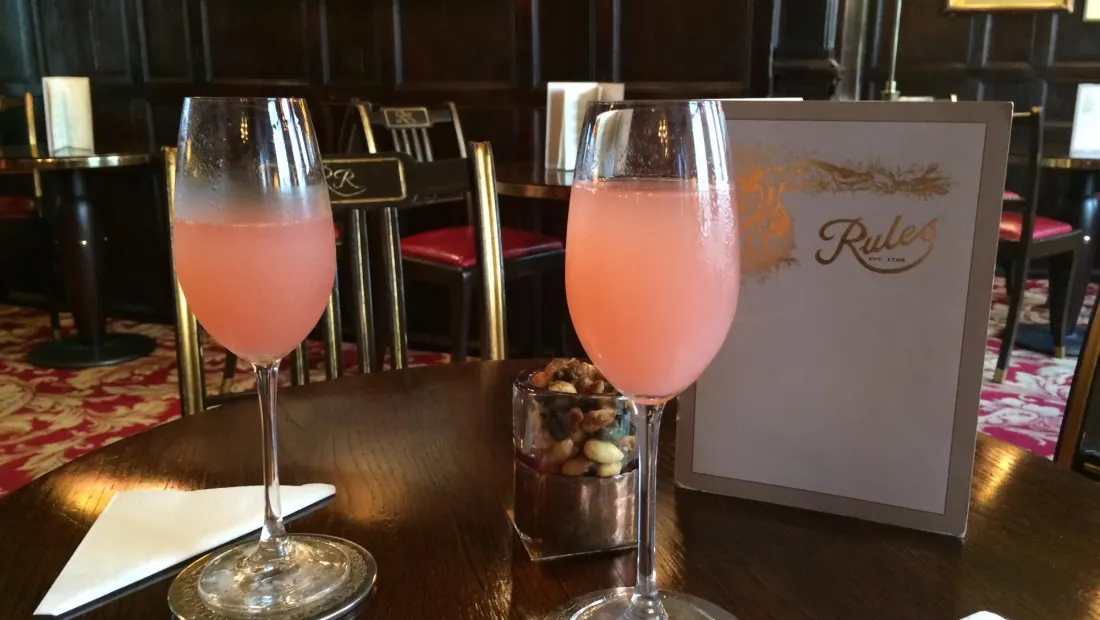
The dining rooms carry a sense of occasion that feels accumulated rather than staged. Antique sketches and theatrical memorabilia line the walls, while plush banquettes create pockets of relative seclusion away from the main flow of the space. Tuxedoed waiters move through the rooms with a manner that is polished without being hurried, and the overall atmosphere leans toward the calm and ceremonious. This is not a setting that relies on music, lighting tricks, or contemporary design gestures; instead, the character is built from dark wood, red leather, and the quiet hum of conversation. Guests often note the steadiness of the room, a quality that can feel increasingly rare in a fast-moving city.
The Game Cookery and the Estate Connection
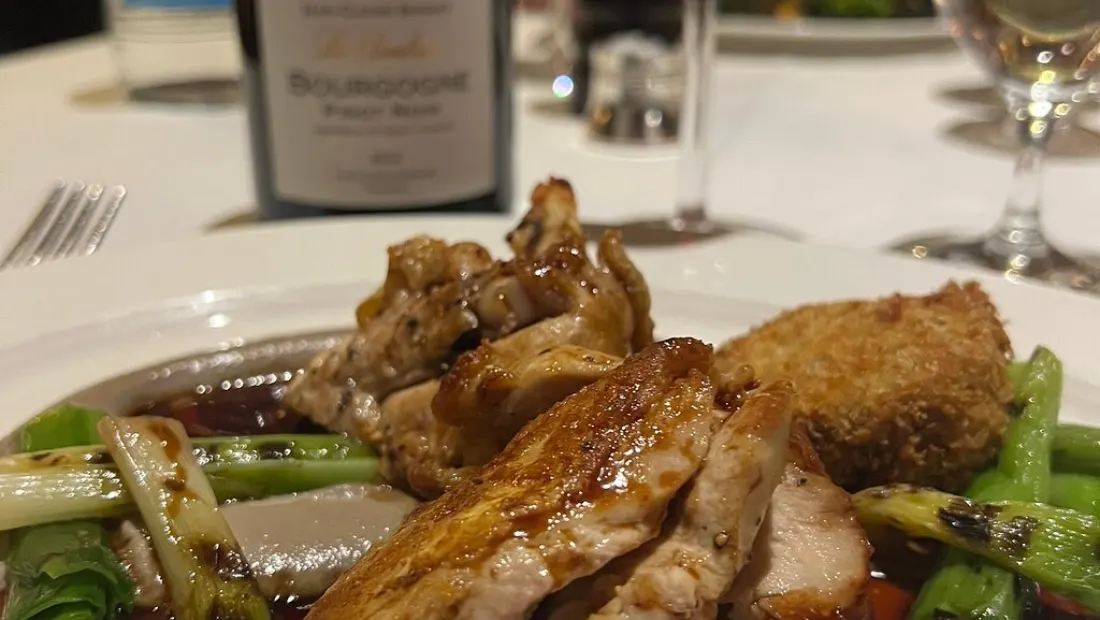
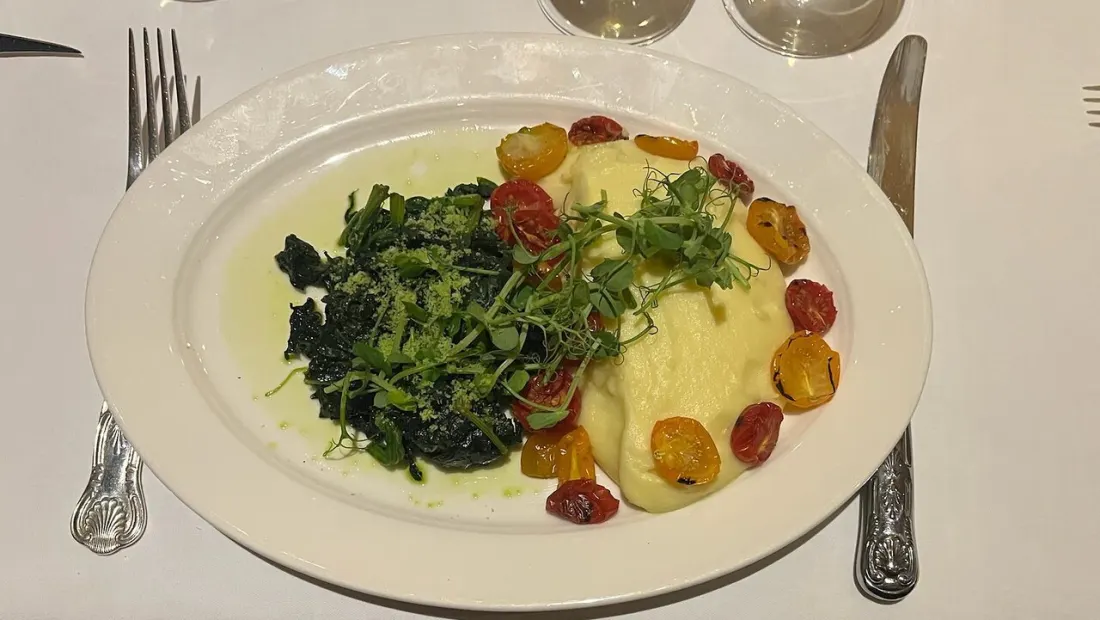
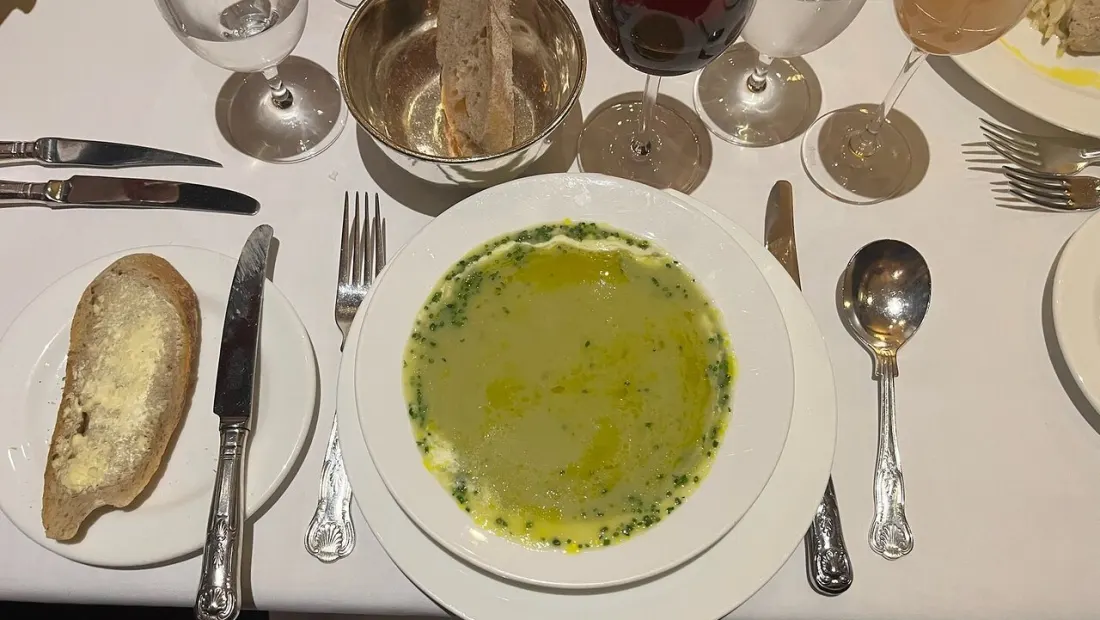
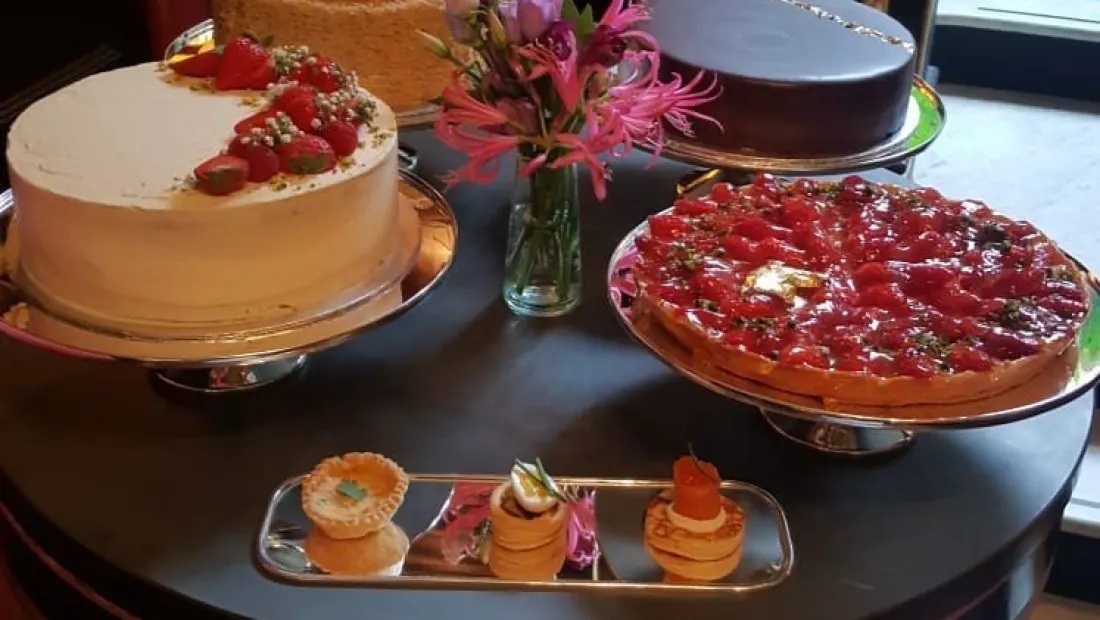
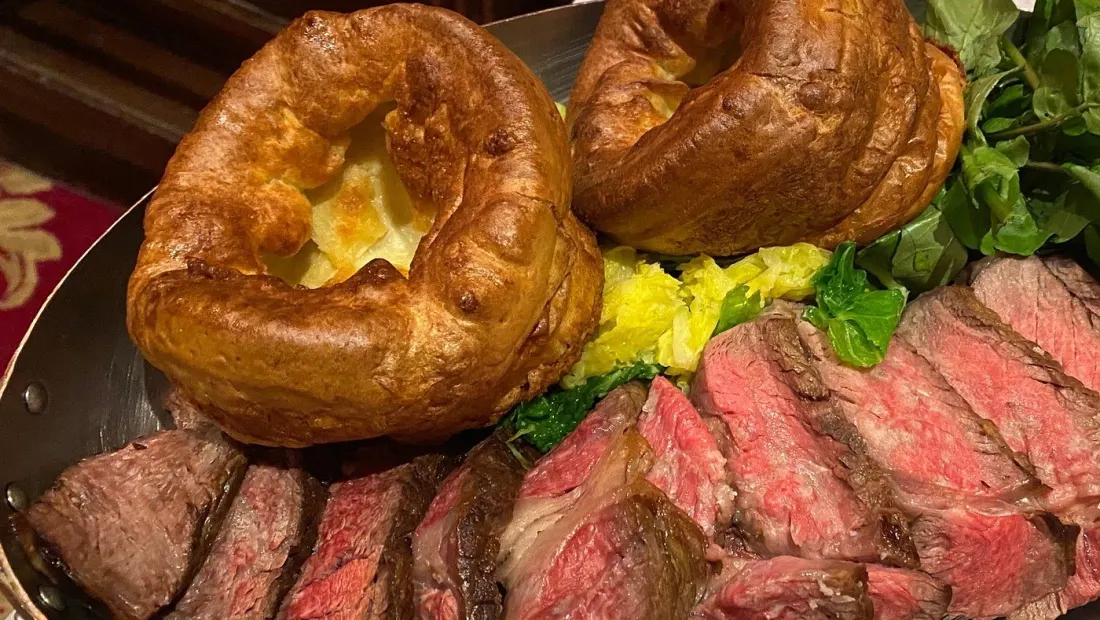
A defining feature of the kitchen is its direct link to the High Pennines estate, which supplies much of the game that appears on the menu. This connection means that the offer shifts with the seasons, and the kitchen's approach to game birds, venison, and beef is rooted in long-established British culinary practice rather than in modern reinterpretation. The Belted Galloway beef is a recurring presence, and roe deer is handled with an understanding that comes from decades of repetition. Oysters are treated with similar restraint, presented simply and with little interference. Pies and steamed puddings round out a menu that is deliberately whole-hearted, making no concessions to lighter or more fragmented eating styles. The cooking is substantial, and the portions are generous in a way that matches the formality of the room.
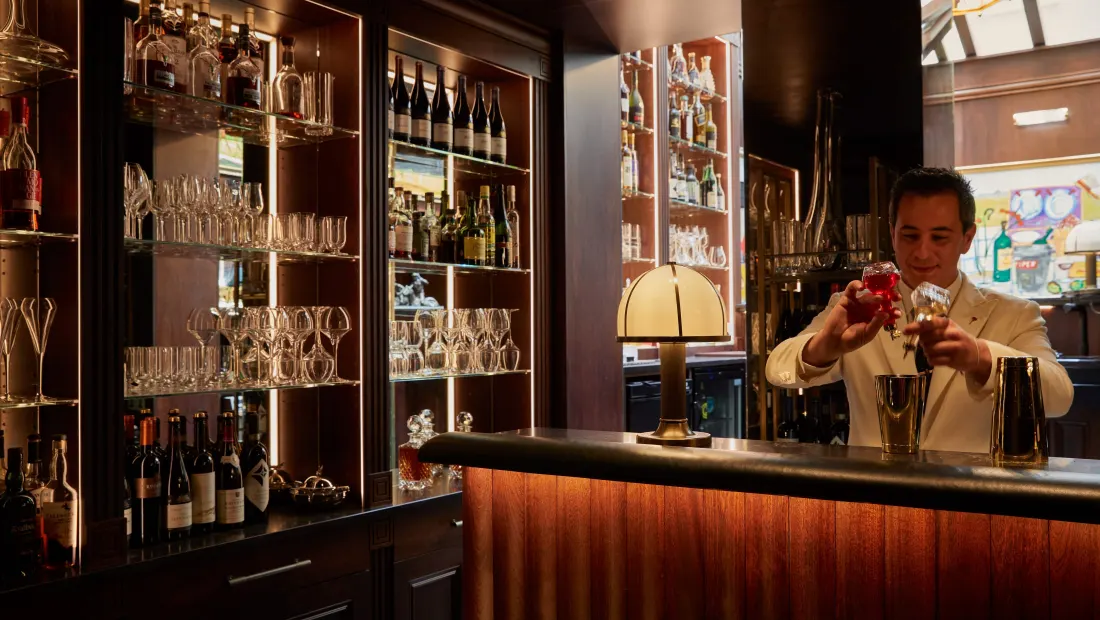
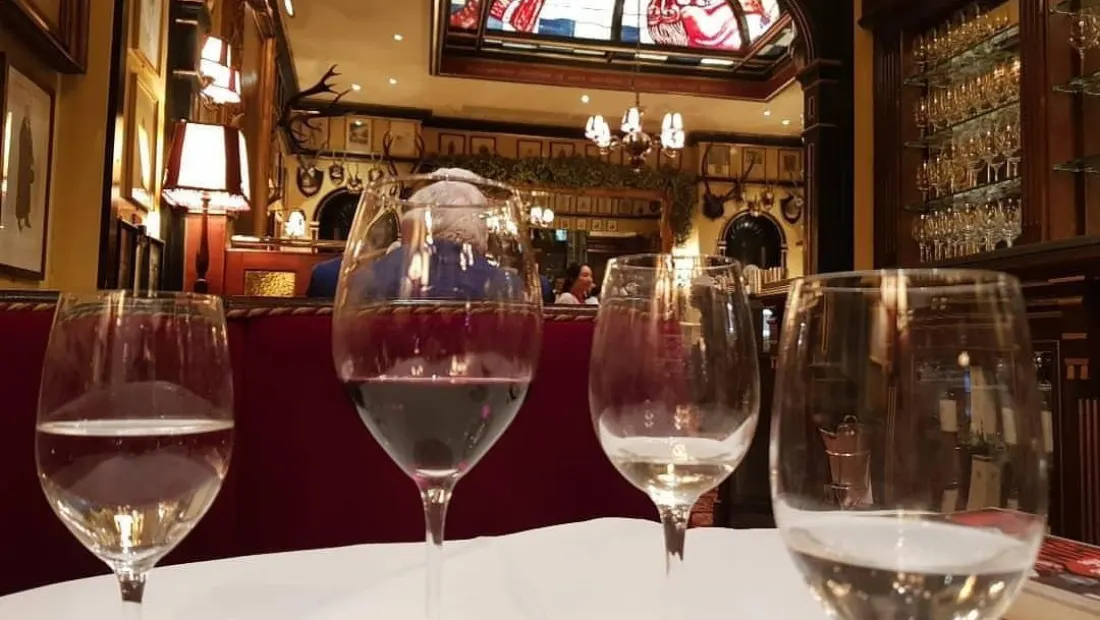
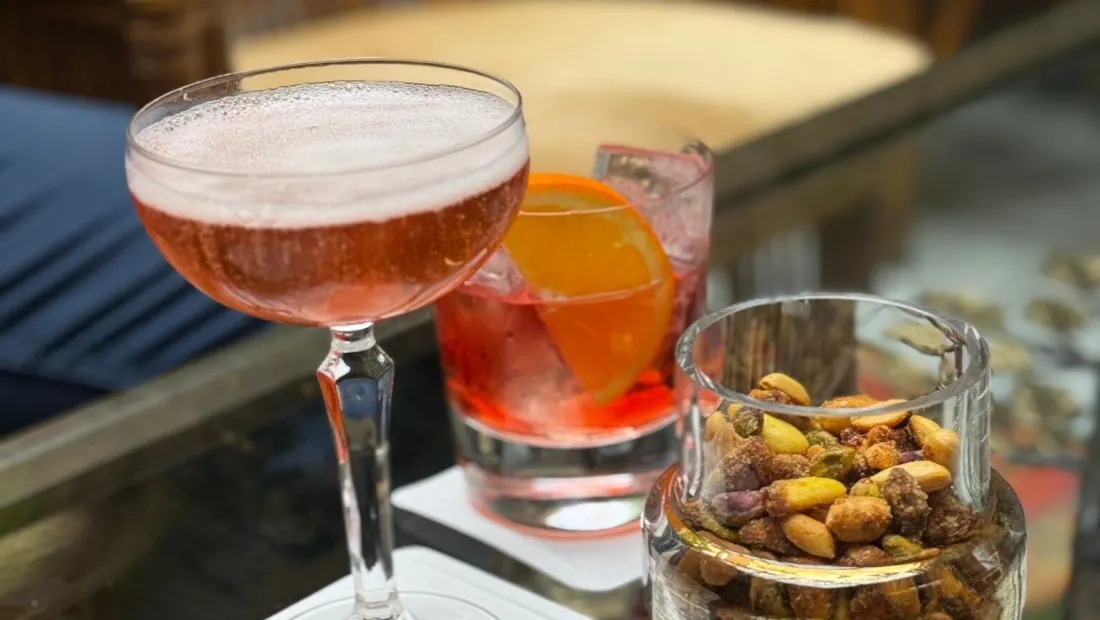
The wine list is structured around French selections, offering a traditional pairing logic that suits the richness of the food. For those who prefer something closer to home, native draught beers are served in silver tankards, a detail that reinforces the restaurant's attachment to its own customs. Upstairs, a separate bar area provides a space for pre-dinner drinks, and it is often mentioned as a worthwhile part of an evening here, extending the rhythm of the visit before the meal begins.
What Visitors Notice
Service is a prominent theme in guest accounts, and the style is formal without tipping into stiffness. Waitstaff are knowledgeable about both the food and the wine list, and they tend to guide choices with a light touch. The room itself draws consistent comment for its sense of calm, and many visitors describe a feeling of being transported away from the pace of central London. The interior does not attempt to be fashionable, and that appears to be part of its appeal. The restaurant is frequented by a mix of long-standing regulars, theatregoers, and international visitors who are drawn by its place in London's history, and the atmosphere tends to absorb all of these groups without losing its essential character.
While the experience is generally described as polished and assured, it is worth noting that the kitchen's commitment to traditional British cooking means that dishes such as suet pudding, pork cheeks, and mashed potatoes are prepared in a specific, unadorned style that may not suit every palate. The food is rich, the sauces are deeply reduced, and the textures are intentionally hearty. This is not a kitchen that chases lightness or novelty, and the menu is best approached with an appetite for precisely the kind of cooking that has sustained the restaurant for well over two centuries. The continuity of the offer is, in itself, a significant part of what the restaurant represents, and it asks to be understood on those terms rather than measured against more contemporary dining expectations.




Add Your Comment
Comments appear on the website after admin approval.